Walk through many a Slavic home in Central Florida and sooner or later you may spot it: a glossy black and gold spoon in a kitchen drawer, a blue and white teapot on a shelf, a plate covered in red and yellow flowers hanging on the wall. These objects are more than souvenirs. They are pieces of living folk art traditions, some of them centuries old, each with its own techniques, colors and village of origin. When guests stroll through the outdoor vendor market at the Slavic Food & Cultural Festival Orlando at Reiter Park in Longwood on Saturday, February 27, 2027, they might spot painted wooden spoons, ceramic cups or decorated boxes. This guide will help you recognize what you are looking at and appreciate the skill behind it.
We will focus on three of the most famous Slavic painting traditions, Khokhloma, Gzhel and Petrykivka, take a quick look at the painted trays of Zhostovo, and visit a few other painted traditions from across the Slavic world along the way.
Khokhloma: Gold Without Gold
Khokhloma is instantly recognizable: wooden bowls, spoons, cups and boxes glowing with gold, decorated with bright red berries and curling black leaves. The surprising thing is that there is no gold in it at all. The golden effect is a clever bit of village chemistry developed by craftsmen in the forests along the Volga River north of Nizhny Novgorod.
The name comes from the village of Khokhloma, a trading center where craftsmen from surrounding villages brought their wares to sell, starting around the seventeenth century. From there, the bowls and spoons traveled down the Volga and across Russia. The tradition is often linked to Old Believers who settled in these forests and brought with them experience in icon painting, including techniques for imitating gold leaf. Today the town of Semyonov in the Nizhny Novgorod region is the best-known center of production.
The process is long and precise. First, a craftsman turns the object on a lathe from soft wood such as linden, then dries it thoroughly. The blank wooden piece is primed with a coat of fine clay, then coated several times with linseed oil, each layer dried in a warm oven. Next comes the crucial step: the surface is rubbed with metal powder. Historically this was tin, and today aluminum powder is used, giving the piece a bright silver shine. Only then does the painter go to work, using oil-based paints in red and black, with touches of green, yellow or orange. Finally, the piece is coated with varnish and baked at a high temperature. The heat turns the varnish a honey-amber color, and the silver underneath shines through as gold. It is a magic trick that fools almost everyone the first time.
Khokhloma painters use two main styles. In verkhovoe, top painting, the ornament is painted directly onto the gold-colored background, so red berries and black leaves float on gold. In fonovoe, background painting, the painter fills the background with black or red and leaves the ornament itself in gold, like a golden silhouette. Motifs come from the forests and fields: rowan berries, strawberries, currants, ears of wheat, grasses called travka, and the elegant curling golden leaves called kudrina. Birds and fish sometimes appear among the flowers.
Real Khokhloma, made the traditional way, is safe to use with food, since the baked varnish protects the wood. Many families eat soup or porridge from Khokhloma bowls with Khokhloma spoons, though most avoid putting them in the dishwasher.
Gzhel: The Blue Rose of Russian Porcelain
If Khokhloma glows with fire, Gzhel is cool and fresh, like winter frost. Gzhel is a group of villages about sixty kilometers, roughly forty miles, southeast of Moscow, where clay deposits have been mined for centuries. Potters there made earthenware and tiles from at least the fourteenth century. In the eighteenth century, Gzhel craftsmen produced colorful majolica, earthenware decorated with several colors on a white tin glaze, and in the nineteenth century they turned increasingly to semi-faience and porcelain.
The famous style that the world now knows as Gzhel, cobalt blue on pure white, took its modern form in the twentieth century. Artists such as Natalia Bessarabova and Alexander Saltykov helped revive and refine the blue and white tradition in the years after the Second World War, drawing on older Gzhel pieces and their own invention. Their work shaped the look of Gzhel that you see today on teapots, vases, figurines, plates and Christmas ornaments.
The defining technique is the brushstroke with shadow. A Gzhel painter loads a round brush with cobalt paint and, in a single movement, presses and lifts the brush so that one stroke shifts from deep, dark blue to a pale, watery sky blue. A skilled painter can create a whole rose, with its shading and depth, in just a few strokes. The Gzhel rose is the signature motif, along with leaves, tendrils, birds, and sometimes little scenes of village life, churches and winter landscapes. Ceramic figurines of people, animals and fairy-tale characters are also part of the tradition.
Here is a surprise for first-time visitors to a Gzhel workshop: the paint does not look blue when it goes on. Cobalt oxide paint appears black or dark gray on the unfired white piece. Only after firing at high temperature in the kiln, when the glaze melts and the cobalt reacts, does the brilliant blue appear. Painters have to imagine the final colors while they work, judging the shading by experience alone.
Petrykivka: Ukraine's Flowering Village
Travel south to central Ukraine, to the village of Petrykivka in the Dnipropetrovsk region, and you enter a completely different world of color. Petrykivka painting is an explosion of flowers, berries, birds and leaves, painted in bright reds, yellows, greens, oranges and blues, usually on a white or black background. It is lush and joyful, and it looks as if a summer garden has been caught in mid-bloom.
The tradition began on the walls of houses. Villagers in this part of Ukraine whitewashed their homes with clay and lime, and the women decorated the white walls, stoves and window frames with painted flowers. Paintings were renewed before important holidays such as Easter and Christmas. Over time, painters began working on paper, creating decorative sheets called malyovky that could be hung on walls, and then on wood, furniture, chests, boxes, dishes and ceramics.
The techniques are as charming as the results. Traditional Petrykivka painters made their own brushes, and a classic brush was made from the fur of a cat, which gives a fine, springy tip perfect for delicate lines. Painters also use their fingers. The fingertip or the side of a finger can press a petal or a berry onto the surface in one smooth movement, a technique called painting by finger. Strokes have their own names and shapes, from the simple dab to the grain-like stroke and the comma-shaped stroke. Historically, pigments were made from natural materials such as plant juices, berries, clay and soot, mixed with egg yolk. Today most artists use modern paints, but the strokes and patterns remain the same.
Petrykivka motifs are rich in meaning. The kalyna, or viburnum, with its clusters of red berries, is a beloved Ukrainian symbol of beauty and family roots. Birds, including fantastic firebirds and peacocks, represent happiness and the soul. Grapes and wheat stand for abundance. Many compositions grow upward from a central vase or stem, recalling the tree of life found in Ukrainian embroidery.
Among the best-known Petrykivka artists was Tetiana Pata, who lived from 1884 to 1976 and helped bring the style to wider recognition in the twentieth century. Her floral compositions are still studied by students of the art. In 2013, UNESCO inscribed Petrykivka decorative painting on its Representative List of the Intangible Cultural Heritage of Humanity, recognizing it as a living tradition passed from generation to generation. Today children in the village still learn it in school, and artists around the world, including in the Ukrainian diaspora, teach classes and paint Easter eggs, boxes and wall panels in the Petrykivka style.
Zhostovo: Bouquets on Black
No overview of Slavic painting would be complete without the shining trays of Zhostovo. In the early nineteenth century, in the village of Zhostovo and neighboring villages north of Moscow, craftsmen began making metal trays decorated with painted flowers. The Vishnyakov brothers, who ran a workshop producing painted papier-mâché items, played a key role in establishing the craft, and over time metal trays became the specialty.
A Zhostovo tray usually has a deep black background, though red, green, blue and white backgrounds exist too. On it, the painter creates a lush bouquet of roses, peonies, daisies, tulips and wildflowers, often with a few berries and leaves, and frames the edge with a fine golden border. The painting is done in several stages, each with its own name: the first loose blocking-in of the shapes, then shading, then highlights that make petals seem to glow, then fine drawing of veins and stems, and finally the delicate strokes that tie the bouquet to the background. The finished tray is coated with several layers of varnish and polished to a mirror shine.
Zhostovo trays were originally made for tea houses, inns and homes to serve food and drink. Today they hang on walls as artworks, and a large, finely painted tray can take a skilled master weeks to complete.
A Rainbow of Painted Traditions Across the Slavic World
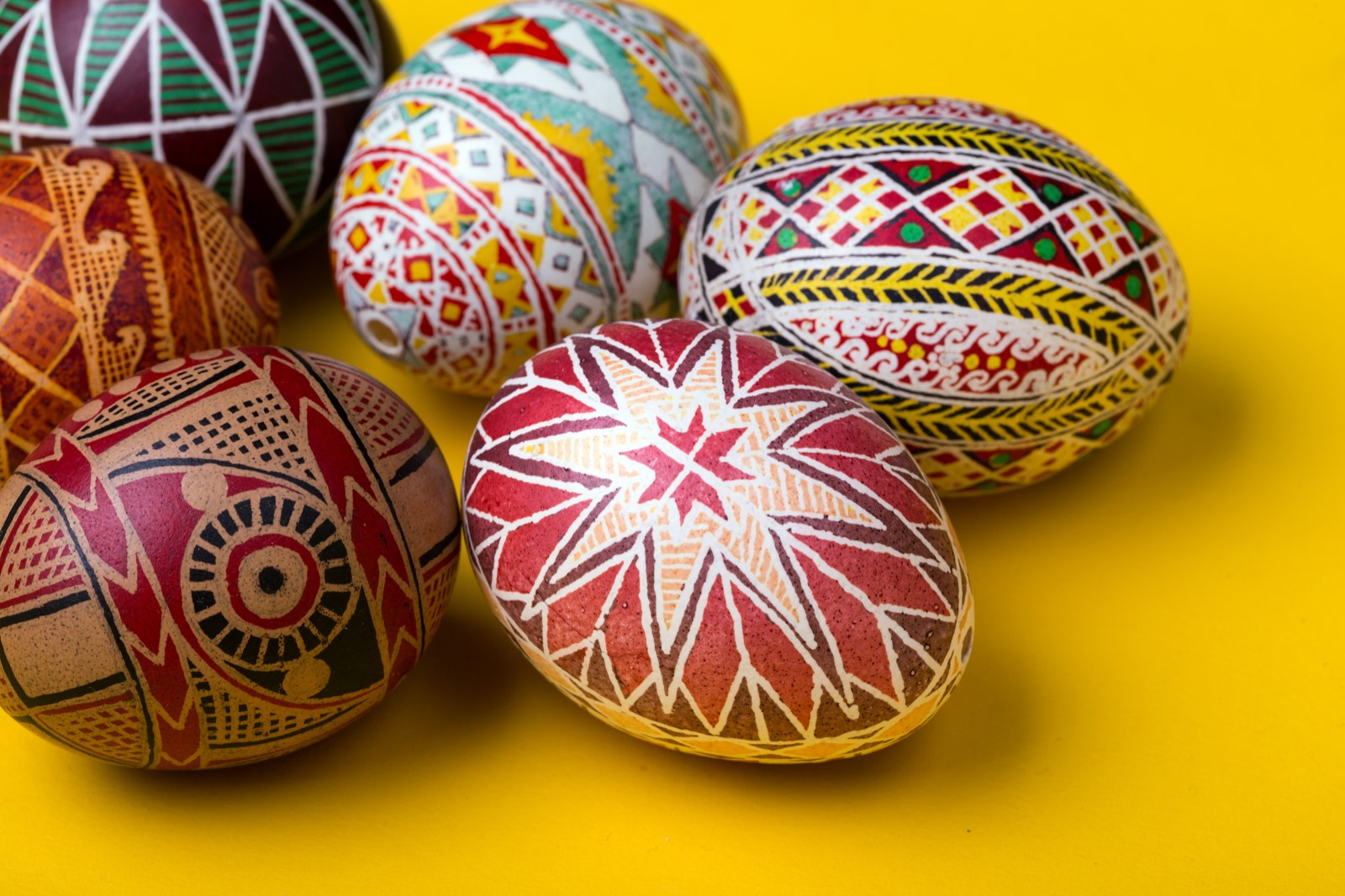
Khokhloma, Gzhel, Petrykivka and Zhostovo are among the most famous, but every Slavic land has painted and decorative traditions of its own. In Russia you will also find Gorodets painting from the Volga region, with its horses, riders and roses on bright backgrounds, and the austere red and black geometric designs of Mezen painting from the far north. Ukraine is famous for pysanky, Easter eggs decorated with beeswax and dyes in intricate geometric and symbolic patterns, and for the folk paintings of artists such as Maria Prymachenko, whose fantastical animals have become beloved around the world.
In Poland, the village of Zalipie in the south is known as the painted village, because local women have long decorated their cottages, inside and out, with colorful flowers, and the tradition is celebrated each year with a painting competition. Polish wycinanki, intricate paper cutouts, are another treasured folk art. In Slovakia, the village of Čičmany is famous for its dark wooden houses painted with white geometric patterns that look like embroidery. In Croatia, the bright red gingerbread hearts called licitar, decorated with icing and small mirrors, are a beloved craft of northern Croatia, inscribed by UNESCO in 2010. Bulgarian potters from Troyan create glazed ceramics with flowing drip patterns, and Czech and Slovak craftspeople have long traditions of painted Easter eggs, glass and ceramics. Each tradition reflects its landscape, its history and the patient hands that kept it alive.
How to Spot the Real Thing
If you are shopping for folk art, whether online, on a trip or browsing a vendor booth, a few tips will help. Genuine Khokhloma has a warm, deep gold rather than a flat yellow paint, and the brushwork shows a living, slightly irregular line. Genuine Gzhel shows the characteristic shading from dark to light blue in a single stroke, and the glaze should be smooth and glassy. Real Petrykivka has crisp, confident strokes with visible variations in pressure, and hand-painted pieces never look exactly alike. A Zhostovo tray should show many layers of paint and a deep, glowing finish.
Above all, ask questions. Artists and sellers of handmade folk art love talking about their work, about where it was made, and about the traditions behind it. Many items carry a signature or a workshop stamp on the bottom.
Folk Art and Color at the Festival in Longwood
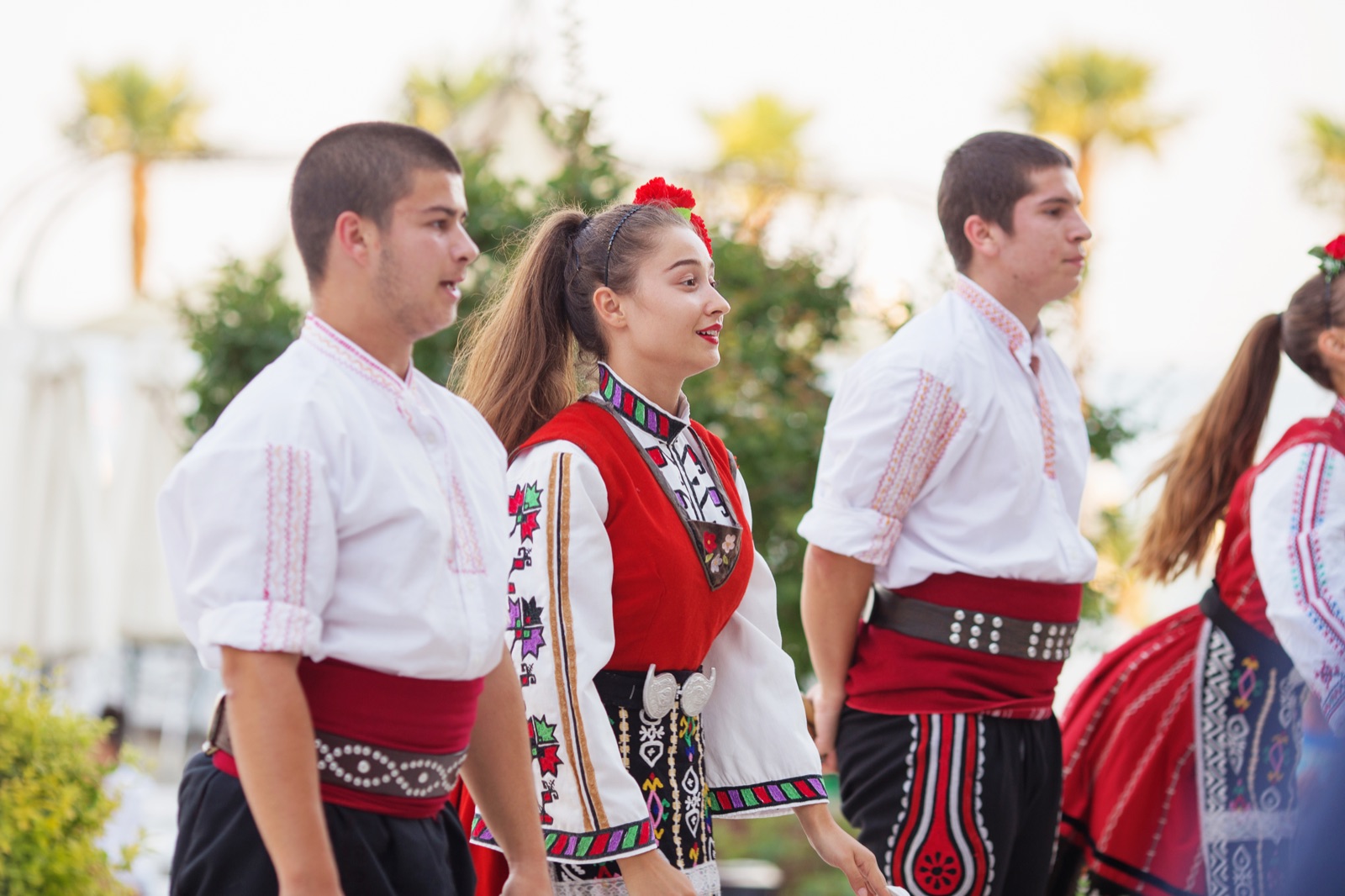
Folk art is not only something to buy, it is something to see in motion. At the festival, you are likely to see the colors of Slavic tradition on the main stage throughout the day, in embroidered blouses, flower wreaths, ribbons, sashes and vests that echo many of the same motifs you see on painted bowls and trays. The Children's Program from 10 AM to noon features Elina Deyev, the Rodni Ritmi Dance Group and the Serbian Crown Folklore Group, followed by the Opening of the Festival at 12:00. The Russian Program with a children's chorus and folk ensemble runs from 12:30 to 2:30, Cecilia Rokusek of the National Czech & Slovak Museum & Library takes the stage from 2:30 to 3:00, and the Serbian & Bulgarian Program follows from 3:00 to 4:00. The Ukrainian Program with Dina Deyev runs from 4:30 to 5:30, and the Polish & Croatian Program with the International Folk Dance Group and the Florida Folk Dance Council closes the stage from 5:30 to 6:30. The schedule is still being finalized and times may change, so check the Schedule page.
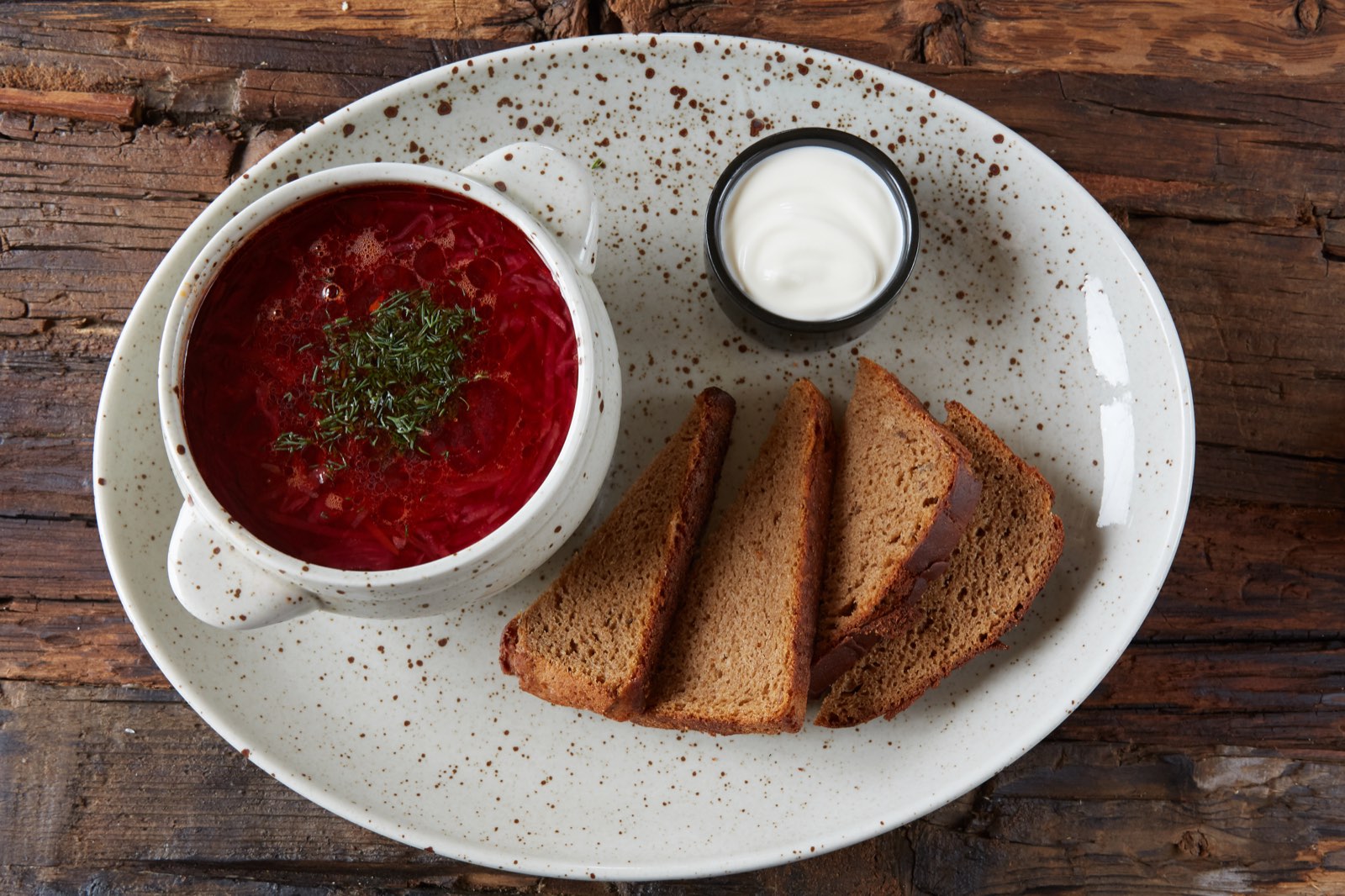
Little artists can head to the kids' zone for crafts and activities, and perhaps come home ready to try a painted flower or two of their own. And everyone can enjoy the parish kitchen's food, cooked fresh on-site: crepes ($15), juicy grilled shashlik skewers ($25), borscht ($15), Bulgarian stuffed peppers ($15), bulochki with cabbage, farmer's cheese or cherries ($10), and house-made kvass ($10). The FAQ also mentions samovar tea, soft drinks and vegetarian options, and you can skip the line with Pre-order Food on slavicfoodfestival.com.
If you are an artist yourself, painting spoons, boxes, eggs or ceramics in any Slavic tradition, consider applying for a booth on the Vendors page. Non-profits receive a booth free. The festival is a wonderful chance to show your work to more than two thousand guests from across Central Florida.
Visit Us at Reiter Park
Folk painting reminds us that beauty belongs in everyday life, on the spoon you eat with, the cup you drink from, the walls of your home. The same idea runs through the whole festival: tradition is not something locked in a museum but something you can taste, hear and hold.
The Slavic Food & Cultural Festival Orlando, hosted by Saint Nina Mission and running for more than ten years, takes place on Saturday, February 27, 2027, from 10 AM to 8 PM at Reiter Park, 311 W Warren Ave, Longwood, FL 32750, in Seminole County just north of Orlando. Admission is free for all ages, no tickets needed, and the festival goes on rain or shine. Pets are not allowed, though service animals are welcome, and cash and cards are accepted at the food stands and most vendor booths. If you would like to help, the Volunteer page lets you sign up for shifts, cooking or donations. Come see the colors of the Slavic world in Longwood.