In late summer and early autumn, a certain smell drifts through the neighborhoods of Sofia, Belgrade, Skopje and countless villages in between. It is the smell of red peppers roasting over open flames, their skins blistering and blackening, while families sit in courtyards peeling them by the bucketful. That smell means the season of ajvar and pickles has begun, and that winter's pantry is being filled. When the Slavic Food & Cultural Festival returns to Reiter Park in Longwood on Saturday, February 27, 2027, one of the dishes coming out of the parish kitchen will carry a taste of that world: Bulgarian Stuffed Peppers. So let us pull up a chair at the Balkan table and meet the pepper and its friends.
The Balkans are home to several South Slavic peoples, including Bulgarians, Serbs, Croats, Bosniaks, Montenegrins, Macedonians and Slovenians, living alongside Greeks, Albanians, Romanians, Turks and others. Centuries of shared history, trade and neighborly borrowing mean that many dishes are found across the whole region under slightly different names. Every country is proud of its own version, and friendly arguments about who makes the best one are part of the fun.
How the Pepper Conquered the Balkans
It is hard to imagine Bulgarian or Serbian cooking without peppers, but they are actually newcomers. Peppers come from the Americas and arrived in Europe after Columbus, reaching the Balkans around the sixteenth and seventeenth centuries, most likely through Ottoman trade routes. Within a few generations, they had become so central to the local diet that people forgot they had ever been foreign.
Bulgarians in particular became famous as gardeners. From the eighteenth and nineteenth centuries onward, Bulgarian market gardeners traveled north and west to Hungary, Serbia, Romania, Austria and beyond, renting land near cities and growing vegetables for local markets. They brought with them their skills with peppers, tomatoes and eggplants and helped spread intensive vegetable gardening across Central Europe. To this day, many Bulgarians keep a garden plot or a few pots of peppers on a balcony, even in the middle of the city.
The Balkan kitchen uses peppers in every possible form. Fresh ones are sliced into salads. Long red ones, like the sweet kapia variety, are roasted and peeled. Pale green and yellow ones are stuffed. Hot ones are pickled or dried on strings that hang from balconies and eaves like red garlands. Peppers are fried and topped with garlic and yogurt, baked with cheese and eggs, cooked into stews and blended into spreads. A Bulgarian or Serbian cook can make a whole meal from peppers alone and still keep you guessing.
Pulneni Chushki and Punjene Paprike
Stuffed peppers are one of the great comfort foods of the region. In Bulgarian they are called pulneni chushki, literally "filled peppers." In Serbian, Croatian and Bosnian they are punjene paprike. The basic idea is the same everywhere: hollowed-out peppers are packed with a filling of rice and minced meat, onion and herbs, then cooked slowly until tender. But the details change from country to country and family to family.
In Bulgaria, the classic filling is pork or a mix of pork and beef, with rice, onion, tomato and spices such as paprika, black pepper and savory, an herb Bulgarians use almost as often as salt. The peppers are lined up in a baking dish and cooked in the oven. Many families finish them with a creamy white topping made from yogurt, eggs and a little flour, poured over the peppers and baked until set and golden. Others serve them in a tomato sauce, with yogurt on the side. During the long Orthodox fasts, when meat is not eaten, Bulgarians make a meatless version filled with rice, vegetables and sometimes beans, and they are just as beloved.
Bulgarian cooks also have a completely different stuffed pepper called chushki burek: roasted, peeled peppers filled with crumbled white cheese and eggs, dipped in batter or breadcrumbs, and fried until crisp. It is a favorite in restaurants and at home and, if you ever get the chance to try it, a revelation.
In Serbia and Bosnia, punjene paprike are usually simmered on the stovetop in a pot of tomato sauce until the peppers are soft and the sauce is rich and slightly sweet. They are often served with mashed potatoes and a spoonful of sour cream, and they are a classic Sunday lunch. In Croatia, especially in the north and in the Slavonia region, they are a beloved home dish as well, and in many households they appear when the first peppers come in from the garden in late summer.
Almost everyone agrees on one thing: stuffed peppers taste even better the next day, after the flavors have had time to settle.
If you want to try them at home, the method is forgiving. Choose peppers that stand up on their own, cut off the tops and scoop out the seeds. Mix raw rice that has been briefly sauteed with onion into the minced meat, season generously, and do not pack the filling too tightly, because the rice swells as it cooks. Stand the peppers upright in a deep dish or pot, use the cut-off tops as little lids, add tomato sauce or water halfway up, and let them cook slowly until a knife slides in easily. Bulgarian cooks will tell you not to skip the savory and the paprika. Serbian cooks will tell you not to skip the sour cream. Both are right.
Ajvar, Lyutenitsa and the Autumn Pepper Ritual
If stuffed peppers are the main course, ajvar is the treasure of the pantry. Ajvar is a thick, smoky relish made from roasted red peppers, sometimes with eggplant, garlic, oil, vinegar and salt. It is especially associated with Serbia, North Macedonia and Bosnia, and the town of Leskovac in southern Serbia is famous for it. People spread it on bread, eat it with grilled meat, or just scoop it with a spoon straight from the jar when no one is watching.
Making ajvar at home is a family project and a seasonal ritual. In September and October, families buy peppers by the sack. The peppers are roasted over a wood fire or on a special roasting stove, then sealed in a bag or a pot to steam so the skins loosen. Then comes the long job of peeling and seeding, often done by several generations sitting around a table, with plenty of coffee and gossip. The peeled peppers are ground and cooked for hours in a big pot with oil, stirred constantly so they do not burn. Finally the ajvar is poured into jars that will last the whole winter.
Bulgarians have their own beloved pepper spread called lyutenitsa, made from roasted peppers and tomatoes, sometimes with eggplant and carrots, and seasoned with a little sugar and spice. Many Bulgarian children grow up eating it on a slice of bread with crumbled white cheese, and Bulgarian grocery shelves in America almost always carry a few jars. Both ajvar and lyutenitsa are now sold in Eastern European and international grocery stores all over Central Florida. Still, plenty of Balkan families in Florida keep the homemade tradition going, roasting peppers on a backyard grill in the fall and filling jars for friends, because store-bought never tastes quite like grandmother's.
Shopska Salad: A Flag on a Plate
No Bulgarian meal is complete without a shopska salad. It is simple and perfect: chopped tomatoes, cucumbers, peppers (raw or roasted), onion and sometimes parsley, dressed with oil and vinegar and covered with a snowy layer of grated sirene, a brined white cheese similar to feta. The white cheese, green cucumbers and red tomatoes are often said to echo the colors of the Bulgarian flag.
The salad is named after the Shopi, the people of the region around Sofia, though food historians generally agree that the recipe in its familiar form was popularized in the mid-twentieth century in restaurants catering to tourists. Whatever its exact origin, it has become a symbol of Bulgarian hospitality. Serbs have a very similar salad called srpska salata, and shopska itself is a favorite in Serbia, North Macedonia and across the region.
Shopska salad is traditionally served at the start of a meal with a small glass of rakia, the strong fruit brandy found across the Balkans, made from plums, grapes, apricots or other fruit. In Bulgaria and Serbia, sitting down with salad and rakia before the main dish is a ritual of friendship and conversation that can easily last an hour.
Banitsa and the Luck of the New Year
Banitsa is Bulgaria's beloved pastry: layers of thin phyllo dough filled with a mixture of eggs, yogurt and crumbled white cheese, then baked until golden and flaky. It is eaten for breakfast with a glass of ayran (a salty yogurt drink) or boza (a thick, slightly fermented grain drink), and it is sold warm from bakeries on almost every street corner in Bulgarian towns. Some versions are rolled into spirals, others are layered flat. There are also versions with spinach, leeks, pumpkin or even apples.
Banitsa plays a special role on New Year's Eve and at Christmas. Bulgarian families bake a banitsa with small fortunes hidden inside, known as kasmeti: slips of paper wrapped in foil with wishes written on them, such as health, love, travel, a new job or a baby, and sometimes small dogwood twigs, which symbolize health. Each family member takes a piece and reads their fortune for the coming year, often with plenty of laughter. Serbs have their own famous pastry, burek, and a similar custom of hiding a coin in the Christmas bread, the chesnica, to bring luck to whoever finds it.
A note for proud Bulgarians in Central Florida: yes, we know that real Bulgarian yogurt is unlike any other. The bacterium used to make it, Lactobacillus bulgaricus, was identified in 1905 by the Bulgarian scientist Stamen Grigorov and carries the country's name. Yogurt appears in banitsa, in sauces, in the cold summer soup tarator made with cucumbers, garlic, dill and walnuts, and on the side of almost every Bulgarian meal.
Sarma: The Cabbage Roll's Balkan Cousin
Sarma is the Balkan version of the stuffed cabbage roll. In Serbia, Croatia, Bosnia and Montenegro, it is usually made by wrapping a filling of minced meat and rice in leaves of fermented whole cabbage, which gives the rolls a pleasant tang. They are cooked slowly in a big pot, often with smoked meat tucked between the layers for extra flavor. Sarma is a winter dish, served at holidays, family celebrations and especially at the slava, the Serbian Orthodox family feast day honoring a household's patron saint. For many Serbian families, a winter slava table without a big pot of sarma would feel incomplete.
In Bulgaria, sarmi are made both with cabbage leaves and with grape vine leaves, filled with rice and meat or, during fasting periods, rice alone with herbs. Vine leaf sarmi are lighter and often served with yogurt. Similar rolls are found across the Balkans, Greece, Turkey and the Middle East, a delicious reminder of how much these kitchens have shared.
Other stars of the Balkan table deserve at least a mention: kebapche and kyufte, the grilled minced meat sausages and patties of Bulgaria, and the Serbian cevapi and pljeskavica, which are just as smoky and just as beloved. Grilling over charcoal is a deeply shared pleasure across the whole region, which is why the scent of the shashlik grill at the festival will feel familiar to so many guests.
A Balkan Afternoon at Reiter Park
So where does all of this lead? To Longwood, of course. On Saturday, February 27, the parish kitchen at the festival will be cooking Bulgarian Stuffed Peppers, fresh on-site, for $15 a plate. It is a chance to taste a dish that Bulgarian grandmothers have been making for generations, right here in Seminole County. If you want to make sure you get a plate, use the Pre-order Food page on slavicfoodfestival.com and skip the line.
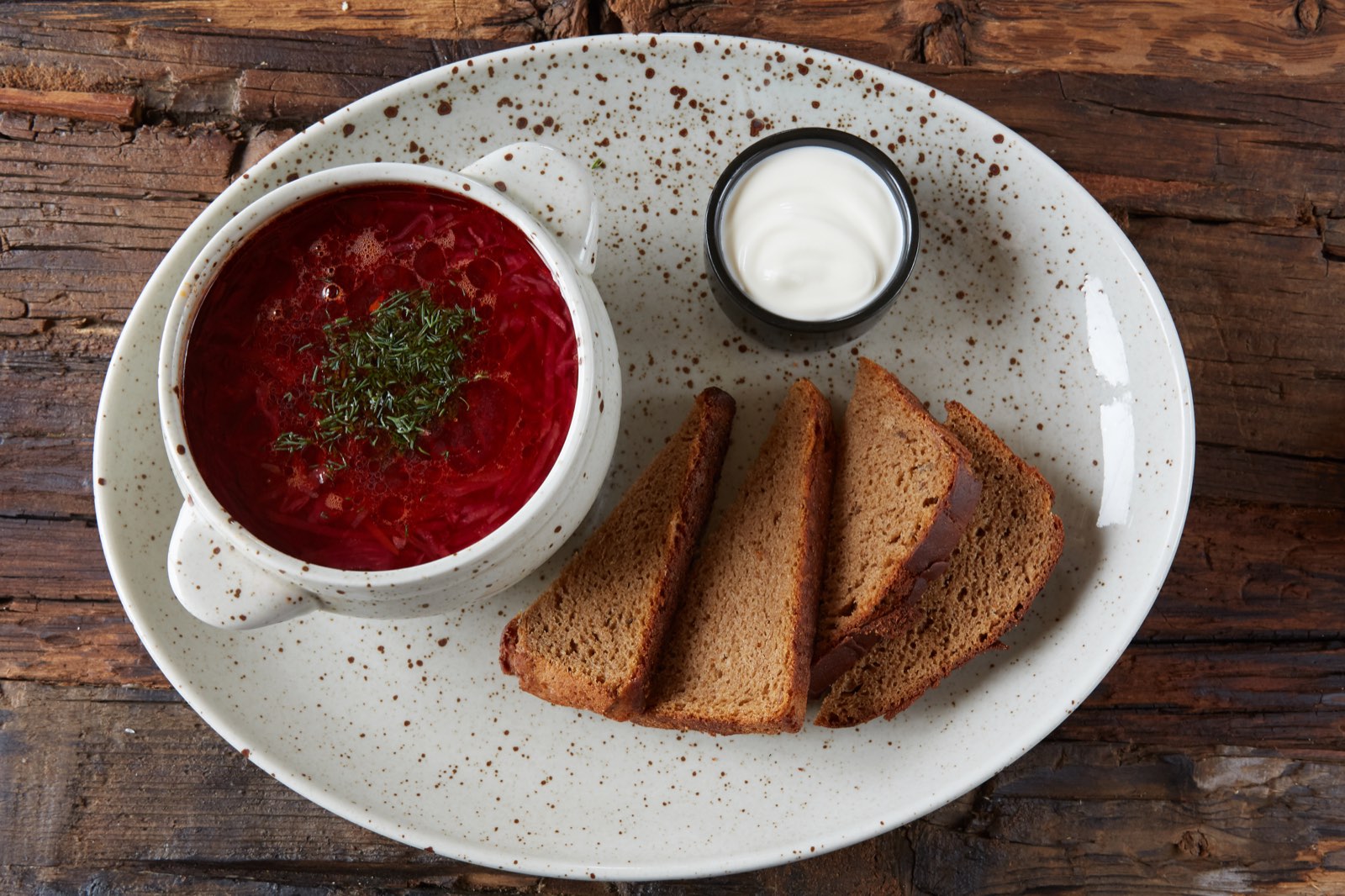
The stuffed peppers will share the menu with other favorites from across the Slavic world: borscht for $15, crepes for $15, juicy grilled shashlik skewers for $25, bulochki (soft buns with cabbage, farmer's cheese or cherries) for $10 and house-made kvass for $10. The festival FAQ also mentions samovar tea, soft drinks and vegetarian options. Ask the cooks at the stand about the dish. They might even share their own family tricks.
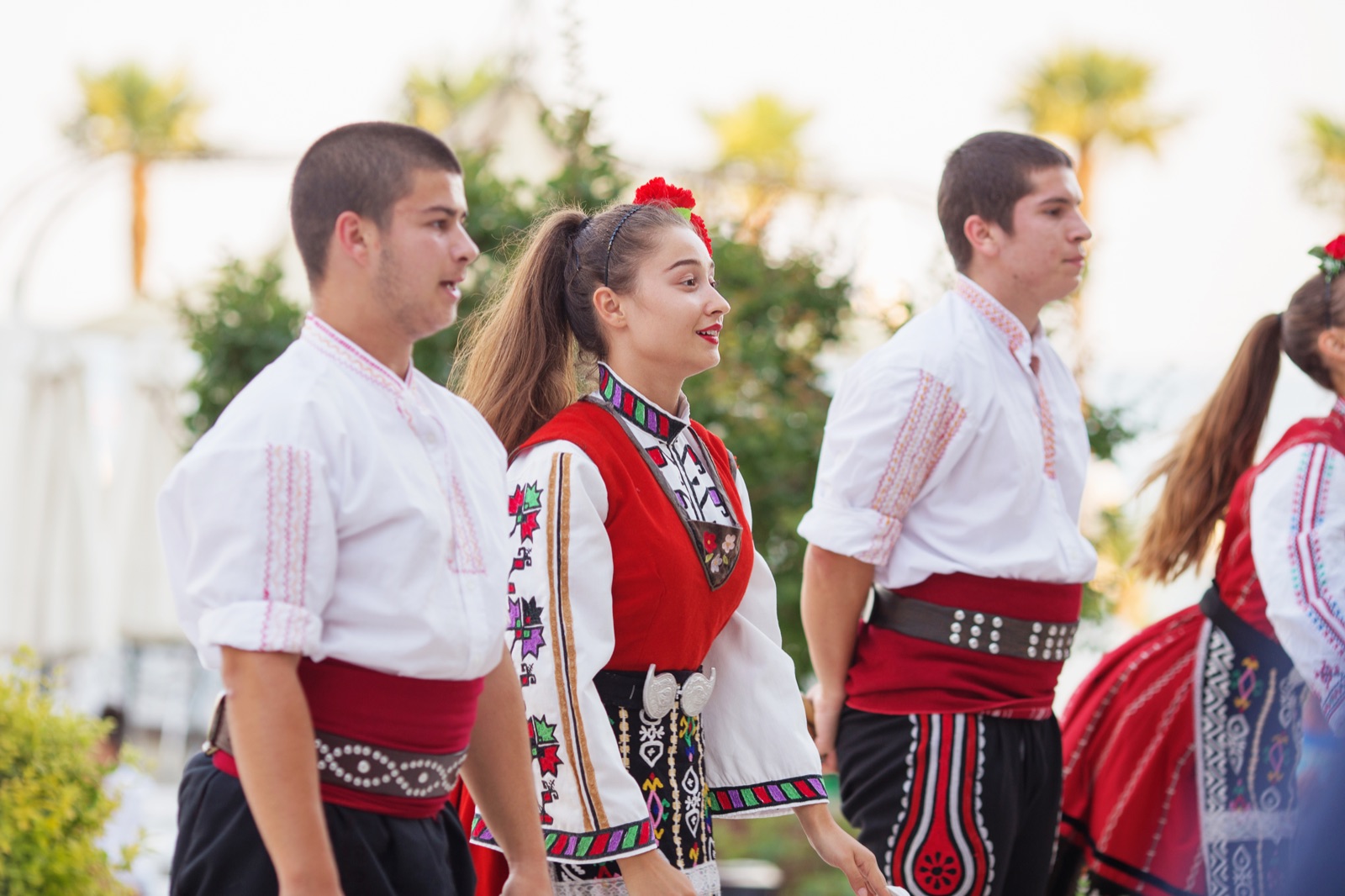
For the full Balkan experience, time your plate for the Serbian & Bulgarian Program on the main stage from 3:00 to 4:00, featuring the Serbian Crown Folklore Group. There is nothing quite like eating Balkan food while Balkan music fills the air. The group also appears in the Children's Program in the morning, which runs from 10:00 to 12:00. Later, the Polish & Croatian Program from 5:30 to 6:30 brings the International Folk Dance Group with the Florida Folk Dance Council to the stage. Check the Schedule page for updates, since program times may still change.
Between bites, explore the outdoor vendor market, where you might spot treats and crafts from different cultures, and bring the kids to the kids' zone for crafts and activities. Small businesses can apply for a booth on the Vendors page (non-profits are free), and if you would like to help in the kitchen, sign up on the Volunteer page. Festival volunteers chop, stir, serve and set up, and it is a wonderful way to learn a few recipes yourself.
Come Hungry to Longwood
The Slavic Food & Cultural Festival Orlando, hosted by Saint Nina Mission, has been bringing Central Florida's Slavic communities and their neighbors together for more than ten years. Performers come from Ukrainian, Russian, Serbian, Bulgarian, Polish, Slovak, Czech, Croatian and Greek communities, and over 2,000 guests are expected this year.
Join us on Saturday, February 27, 2027, from 10 AM to 8 PM at Reiter Park, 311 W Warren Ave, Longwood, FL 32750, just north of Orlando. Admission is free for all ages, and no tickets are needed. The festival takes place rain or shine. Cash and cards are accepted at the food stands and most vendor booths. Pets are not allowed, but service animals are welcome.
As they say at Balkan tables, eat, drink and stay a while. Bring your family and friends, grab a plate of stuffed peppers, find a spot near the stage, and let the music and the flavors carry you somewhere between Sofia and Belgrade, all without leaving Seminole County.