There is a particular sound that many Slavic grandparents remember from childhood: a soft hum and gentle bubbling from the corner of the room, followed by the clink of glasses and someone calling the family to the table. That sound is the samovar, the tall metal urn that has heated water for tea in Russian, Ukrainian and many other Eastern European homes for more than two centuries. Among the drinks listed in the FAQ of the Slavic Food & Cultural Festival Orlando is samovar tea, and when you sip a cup on the lawn at Reiter Park in Longwood on Saturday, February 27, 2027, you will be taking part in one of the coziest traditions of the Slavic world.
The samovar is more than a kettle. It is a centerpiece, a family heirloom, a symbol of hospitality and a magnet for long conversations. Here is its story, how it works, how tea is properly made and served with it, and how Slavic families in Central Florida keep the habit of the long, unhurried tea table alive.
How Tea Came to the Slavic Lands
Tea arrived in Russia relatively late. The most famous early account dates to 1638, when the Russian envoy Vasily Starkov returned from the court of a Mongol ruler with a gift of tea for Tsar Mikhail Fyodorovich. The courtiers were skeptical at first, but the drink slowly caught on among the nobility. After the Treaty of Nerchinsk in 1689, and especially after the Treaty of Kyakhta in 1727, regular trade with China developed, and tea traveled overland from China across Mongolia and Siberia by camel caravan, a journey of many months. This caravan tea was expensive, and for a long time only wealthy households and merchants could afford it.
In the nineteenth century, as trade expanded and prices fell, tea spread to every level of society. By the end of the century, Russia was one of the largest tea-consuming countries in the world, and tea had become part of everyday life in towns and villages across the Russian Empire, including much of what is today Ukraine and Belarus. Tea houses, called chainye, opened in towns and along major roads, places where coachmen, traders and travelers could warm up with endless glasses of hot tea.
The rest of the Slavic world has its own relationship with tea. Poles have long enjoyed herbata, often served in a glass with lemon. Czechs today have a lively culture of tea rooms called čajovny, which flourished especially after 1989. South Slavic peoples, such as Serbs, Bulgarians, Bosnians and Macedonians, tend to favor strong coffee, yet herbal teas are deeply loved there too. Bulgarians, for example, brew a fragrant mountain tea from a wild plant that grows in the high Balkan mountains. And in Ukraine, alongside black tea, families have always brewed herbal teas of linden blossom, chamomile, mint and dried fruit.
Tula: The Samovar Capital
The samovar's name means "self-boiler," from sam, meaning self, and varit, meaning to boil. Metal vessels for heating drinks existed in many cultures, but the samovar as we know it took shape in Russia in the eighteenth century. Some of the earliest records point to the Ural Mountains, where metalworking flourished, in the mid-1700s. But it was the city of Tula, about 110 miles south of Moscow, that made the samovar famous.
Tula was already known for its gunsmiths and metalworkers. In 1778, the brothers Ivan and Nazar Lisitsyn opened a samovar workshop in Tula, and the city quickly became the center of samovar making. By the nineteenth century, dozens of Tula factories produced samovars of every shape and size, from simple tin-plated models for peasant homes to brass, copper and even silver masterpieces for wealthy families. Manufacturers such as the Batashev family became household names, and their samovars carried stamped medals from industrial exhibitions as proof of quality.
The association is so strong that Russians have a saying, to go to Tula with your own samovar, which means bringing something to a place that already has plenty of it, much like the English expression about carrying coals to Newcastle. Tula is also famous for its pryanik, a dense, honey-spiced gingerbread often stamped with patterns and filled with jam, a perfect companion to tea. The city even has a museum dedicated to samovars, displaying pieces in an astonishing variety of shapes: vases, barrels, balls, eggs, goblets, acorns and many more.
How a Samovar Works
A traditional samovar is a beautifully simple machine. It consists of a large metal body that holds water, with a vertical pipe running up through the middle. This central pipe is the firebox. You fill it with charcoal, wood chips or, in the old village way, dry pine cones, and light it from the top. The fire heats the pipe, and the pipe heats the water around it. Because the fire is surrounded by water, the heat is used very efficiently, and a large samovar can keep water hot for hours.
To get the fire going, people used a special trick. They placed an old leather boot over the top of the pipe and pumped it like a bellows, pushing air into the coals. Russian literature is full of scenes of someone fanning the samovar with a boot, and the image is so familiar that it appears in folk sayings and children's stories. Once the fire was burning well, a chimney pipe could be added on top to carry the smoke out through a window or a special vent, or the samovar was simply lit outside and carried in when the water boiled.
At the bottom of the body is a small tap, often with a decorative handle, from which hot water is poured. On top of the samovar, there is a crown-shaped rest where a small porcelain teapot sits. The warm air rising from the samovar keeps the teapot hot, so the tea concentrate stays warm throughout the evening. Most samovars stand on four little legs and come with a tray to catch drips and hot ash.
In the twentieth century, electric samovars appeared, with a heating element in place of the firebox. They are much easier to use indoors, and today most families who own a working samovar use an electric one. Still, purists insist that tea from a coal-fired samovar, with its faint scent of smoke and pine, tastes better than anything else in the world.
Zavarka: The Secret of Slavic Tea
The key to understanding Slavic tea is zavarka, the strong tea concentrate brewed in the small teapot on top of the samovar. Instead of brewing a large pot of tea at drinking strength, the host brews a small, very strong infusion, using a generous amount of black tea leaves and a little boiling water. This concentrate is left to steep and kept warm on top of the samovar.
When it is time to serve, the host pours a little zavarka into each glass or cup, then tops it up with hot water from the samovar's tap. This way, each guest can choose their own strength. Someone who likes tea strong and dark might ask for half zavarka, while a child or someone who prefers mild tea might ask for just a splash. The color of the tea in the glass, from pale amber to deep ruby, becomes part of the pleasure.
This system has another advantage: the host can serve dozens of glasses without brewing new tea each time, and the water stays hot all evening. When the zavarka runs low, a fresh pot is brewed and placed back on top. Many families add their own touches, such as a sprig of mint, a few dried thyme leaves, a slice of lemon or a pinch of dried fruit, to the teapot.
Tea in a Glass Holder, With Jam and Sushki
In many Slavic homes, especially in Russia and Ukraine, tea was traditionally drunk not from cups but from glasses. To make hot glasses easier to hold, people placed them in metal holders with handles, called podstakanniki (glass holders). These holders, often made of nickel silver, brass or silver and decorated with engraved or embossed designs, became especially famous on long-distance trains, where attendants served tea in glasses with holders. For many people across the former Soviet Union, the clink of a spoon in a glass on a swaying train still means a journey has begun. Today podstakanniki are popular collectibles and gifts.
In merchant households of the nineteenth century, some people poured hot tea into the saucer to cool it, then sipped from the saucer, holding it on spread fingers. The painter Boris Kustodiev captured this world in his famous 1918 painting of a merchant's wife at tea, showing a plump, rosy woman at a table laden with a samovar, fruit, pastries and sweets. Drinking from the saucer is rare today, but it lives on in old movies and family stories.
What goes with the tea is just as important as the tea itself. Varenye, a whole-fruit preserve with a looser syrup than American jam, is served in small glass dishes called rozetki, and guests eat it by the spoonful between sips, or sometimes stir it into their tea. Cherry, strawberry, apricot, raspberry, blackcurrant and even rose-petal varenye all have their fans. Raspberry tea is a classic remedy for colds. Honey is also beloved, along with lemon slices sprinkled with sugar.
Then there are the little breads. Sushki are small, crunchy, ring-shaped crackers, a bit like miniature dry bagels. Their bigger cousins, baranki and bubliki, are softer and larger. People dunk them in tea, string them on cords, and give them to children as snacks. Add pryaniki (spiced gingerbread cookies), homemade pies, cookies, chocolates and candies wrapped in colorful paper, and the tea table can be as rich as a full meal. Some older people still drink tea "v prikusku," holding a small lump of hard sugar between their teeth and sipping the tea through it.
The Long Conversation
In Slavic culture, tea is not something you gulp on the way out the door. It is an occasion. Inviting someone for tea often means inviting them for a whole evening. The table is set, the samovar is lit, and the conversation flows for hours: family news, memories, jokes, the news of the world, philosophy, plans for the future and old stories told for the hundredth time. The Russian expression to drink tea until the seventh sweat describes the endless glasses consumed at such gatherings.
Visitors are rarely allowed to leave without at least one cup. Refusing tea can seem unfriendly, and hosts will press guests to stay for "just one more glass." The samovar, steaming quietly at the center of the table, keeps the water hot and the evening going, a silent host that invites everyone to linger.
Traditionally the hostess, or the eldest woman at the table, sits beside the samovar and pours for everyone, asking each guest how strong they like it and keeping an eye on empty glasses. It is a position of honor, and in large families it often passed from grandmother to mother to daughter. A fine samovar was also a prized wedding gift and a part of many dowries, so a single samovar might stand on the same family table for generations, its brass worn smooth by decades of polishing. Many of the samovars that reached America came in the luggage of emigrants, wrapped in blankets and carried across oceans, because leaving it behind would have felt like leaving part of home.
Many families in Central Florida still keep a samovar, even if it is decorative or electric, as a treasured reminder of grandparents and homelands. On holidays it comes out of the cabinet, gets polished until it shines, and takes its place on the table. Children who grew up in Orlando, Oviedo or Sanford learn to pour zavarka from the little teapot, and a new generation discovers why their grandparents never seemed to be in a hurry at the tea table. You do not need a samovar to start. A small teapot for strong zavarka, a kettle of hot water, a few glasses, a jar of cherry preserves and a bag of sushki from a European grocery store are enough to set a Slavic tea table on your own patio.
Samovar Tea and More at the Festival in Longwood
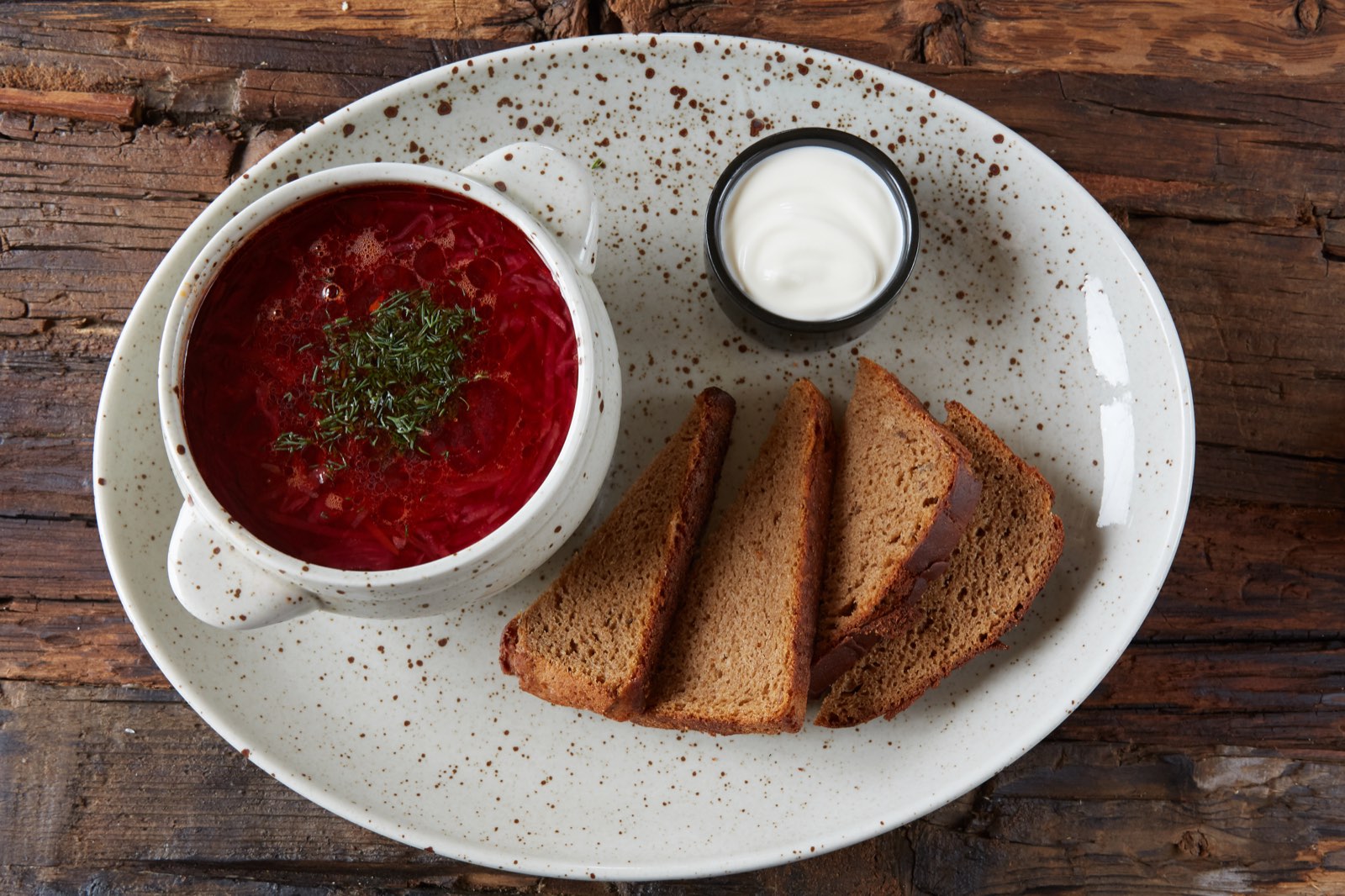
The festival FAQ mentions samovar tea among the drinks, along with soft drinks, and notes that vegetarian options are available too. Pair your tea with something from the parish kitchen of Saint Nina Mission, where all the food is cooked fresh on-site. Bulochki, soft buns filled with cabbage, farmer's cheese or cherries, cost $10 and are a natural partner for tea. Crepes ($15) are another classic. If you want a full meal first, there is borscht ($15), juicy grilled shashlik skewers ($25) and Bulgarian stuffed peppers ($15), plus house-made kvass ($10) for anyone who prefers something cool and tangy. Check the Menu page for details, and use Pre-order Food on slavicfoodfestival.com to skip the line.
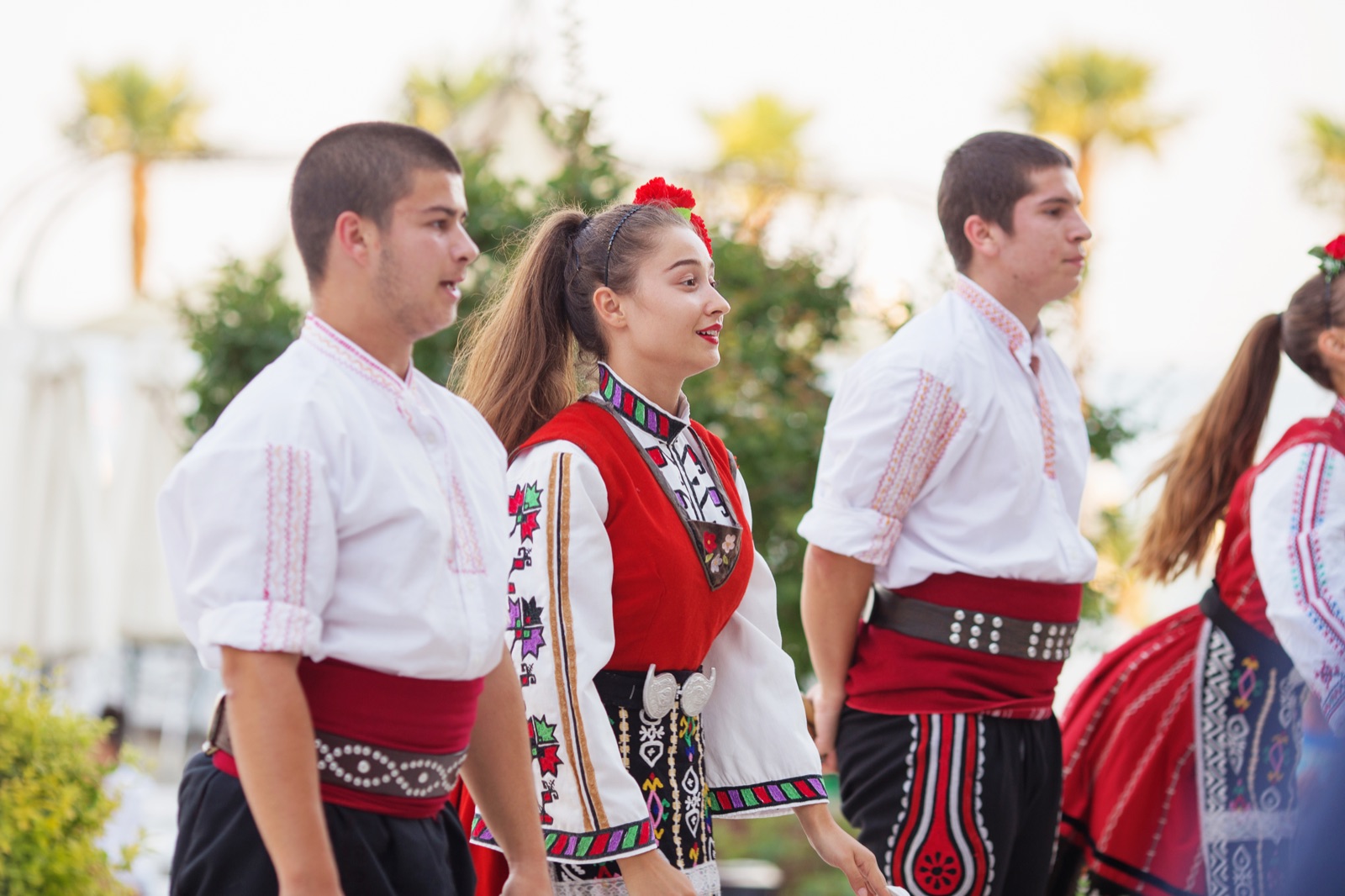
Once you have a cup in hand, find a spot near the main stage and settle in for a long conversation of your own. The Children's Program from 10 AM to noon features Elina Deyev, the Rodni Ritmi Dance Group and the Serbian Crown Folklore Group. After the Opening of the Festival from 12:00 to 12:30, the Russian Program with a children's chorus and folk ensemble runs from 12:30 to 2:30. Cecilia Rokusek of the National Czech & Slovak Museum & Library takes the stage from 2:30 to 3:00, followed by the Serbian & Bulgarian Program from 3:00 to 4:00. The Ukrainian Program with Dina Deyev singing Ukrainian songs runs from 4:30 to 5:30, and the Polish & Croatian Program with the International Folk Dance Group and the Florida Folk Dance Council closes the stage from 5:30 to 6:30. The program is still being finalized and times may change, so check the Schedule page.
Bring the children to the kids' zone for crafts and activities, and stroll through the outdoor vendor market. You might spot glass holders, painted teapots, tea or sweets that will help you set up a Slavic tea table at home.
Pull Up a Chair in Longwood
The samovar teaches a simple lesson: slow down, pour another glass, and listen to the people around you. That is exactly the spirit of the Slavic Food & Cultural Festival Orlando, which has brought Central Florida families together for more than ten years.
Join us on Saturday, February 27, 2027, from 10 AM to 8 PM at Reiter Park, 311 W Warren Ave, Longwood, FL 32750, in Seminole County just north of Orlando. Admission is free for all ages, no tickets needed, and the festival goes on rain or shine. Pets are not allowed, though service animals are welcome, and cash and cards are accepted at the food stands and most vendor booths. More than two thousand guests are expected.
If you would like to be part of the team, the Volunteer page lets you sign up for shifts, cooking or donations of ingredients and supplies. Singers, musicians and dance groups can apply on the Artists page, and businesses can apply for a booth on the Vendors page, with non-profits free. Come thirsty, come hungry, and stay for one more glass. The water will be hot.