You will smell it before you see it. Somewhere near the food stands at Reiter Park, a thin ribbon of smoke rises into the Florida sky, carrying the scent of charred onion, black pepper and meat sizzling on the grill. People stop mid-conversation and turn their heads. Children tug at sleeves. For anyone who grew up in Ukraine, Russia, Belarus, Moldova, the Caucasus or Central Asia, that smell means one thing: shashlik, and a long, happy afternoon with friends.
At the Slavic Food & Cultural Festival Orlando on Saturday, February 27, 2027, the parish kitchen of Saint Nina Mission will be grilling juicy skewers fresh on-site, $25 a plate. Before you join the line, or skip it by pre-ordering online, let us take a walk through the history, the rituals and the friendly arguments that surround the most social dish of the Slavic world.
A word from the steppe and the mountains
The word shashlik (in Ukrainian shashlyk) is generally traced to Turkic languages, related to the word shish, meaning skewer, the same root you hear in "shish kebab." It came into Russian and Ukrainian through contact with Crimean Tatars and other Turkic-speaking peoples, and it began to appear in Russian writing around the eighteenth century.
The dish itself is much older than the word, and its roots lie in the Caucasus and Central Asia. Georgians have mtsvadi, chunks of pork or veal grilled on skewers, often over grapevine cuttings. Armenians have khorovats, a whole festive ritual of grilling. Azerbaijanis, Uzbeks, Kazakhs and other peoples of the region have their own beloved kebabs and shashliks, often made with lamb. Nomadic herders and mountain shepherds have been grilling meat over open fire for as long as anyone can remember.
As the Russian Empire expanded and travel between regions grew, travelers, soldiers and merchants returned home with a taste for these skewers. By the late nineteenth and early twentieth centuries, Caucasian restaurants in Moscow, St. Petersburg and other cities were serving shashlik, and it became fashionable. During the Soviet era, when people from many regions lived, worked and vacationed together, shashlik spread everywhere, from Black Sea beaches to backyard grills in Siberia. Over time, Slavic families made it their own, often swapping lamb for pork and adapting the marinades to what was in the local pantry.
Today, shashlik is beloved across Ukraine, Russia, Belarus, Moldova and beyond. Neighbors throughout the Slavic world have their own grilled traditions too. In Serbia and across the Balkans you find ražnjići (pork skewers) and ćevapi (small grilled sausages of minced meat). Bulgarians grill kebapche and skewered shishcheta. Poles love a summer grill with kiełbasa and their own szaszłyk, and Czechs and Slovaks grill skewers they call špíz. Wherever there is a warm evening and a group of friends, someone in Eastern Europe is lighting a fire.
The art of the marinade
Ask a shashlik master for the secret, and the answer almost always begins with the marinade. Meat for shashlik is cut into generous chunks, a bit bigger than a walnut, and left to soak for hours or overnight. The marinade tenderizes the meat, adds flavor and helps it stay juicy over the fire.
Onions are the backbone of almost every Slavic shashlik marinade. Lots of onions, sliced into rings and squeezed with your hands so they release their juice, then mixed with the meat, salt and freshly ground black pepper. Many cooks say the onion is what makes the meat tender, and the grilled onion rings that come off the skewers alongside the meat are a treat of their own.
From there, every family goes its own way. In the classic Soviet-era style, the marinade included vinegar diluted with water, which gives a tangy flavor and long keeping, though many cooks today feel it can toughen the meat. Some prefer dry red or white wine. Some add pomegranate juice, a Caucasian touch that gives a deep, fruity tang. Others use kefir (a tangy fermented milk drink) or yogurt, which tenderizes beautifully, especially for chicken. Some use sparkling mineral water, claiming the bubbles make the meat softer. Lemon juice, tomato, mayonnaise and even beer all have their loyal followers.
Spices are usually simple: salt, black pepper, sometimes coriander, bay leaf, paprika, cumin or dried herbs. In the Caucasus, cooks may use sumac, khmeli-suneli (a Georgian spice blend) or fresh herbs. The idea is not to hide the meat but to bring out its flavor.
What kind of meat? In Ukraine, Russia and Belarus, the most popular choice is pork, especially pork neck, which has just enough fat to stay juicy over the coals. In the Caucasus and Central Asia, lamb is the classic. Chicken, especially thighs, is popular for its quick cooking and mild taste, and beef, fish and vegetables all find their way onto skewers too. Mushrooms, tomatoes, peppers and onions are often grilled on separate skewers, since they cook at a different pace from meat.
The mangal and the fire
The shashlik grill is called a mangal, and it is a little different from an American barbecue grill. A traditional mangal is a long, narrow, open metal box set on legs, filled with burning wood or charcoal. There is no grate. Instead, long flat metal skewers, called shampury, rest across the top edges of the box, so the meat hangs over the coals without touching anything. The skewers are turned by hand, again and again, so every side cooks evenly.
The flat shape of the skewer matters: it keeps the chunks of meat from spinning around when you turn it. Many families own a set of shampury with decorative handles, sometimes passed down for years, and they are proud of them.
The fire is a craft of its own. Shashlik is never cooked over open flames, only over glowing embers. The wood or charcoal is lit well in advance and allowed to burn down until the coals are covered with a thin layer of white ash and give off a strong, even heat. Birch wood is a classic choice in Slavic lands, fruit woods like apple or cherry give a lovely aroma, and in Georgia and Armenia grapevine cuttings are prized. If fat drips and flames jump up, the cook calms them with a splash of water, often from a bottle with holes punched in the cap, or a sprinkle of the leftover marinade.
Timing depends on the meat and the fire, but most skewers take somewhere between fifteen and thirty minutes, turned regularly. Chicken cooks faster than pork or lamb, so cooks who grill a mix of meats keep them on separate skewers and watch each one. The goal is a crusty, slightly charred outside and a juicy, tender inside. Experienced cooks test by cutting into a piece: the juice should run clear, not pink. Then the skewers come off the fire, and the feast begins.
Want to try it in your own backyard in Seminole County? You do not need a real mangal to start. A charcoal kettle grill works fine if you let the coals burn down to embers and rest the skewers on the grate, or on two bricks set on either side of the coals so the meat hangs just above the heat. Cut the meat evenly so every piece cooks at the same pace, and do not pack the chunks too tightly on the skewer; a little space lets the heat reach every side. Marinate in a glass or ceramic bowl, never in metal, and keep it in the refrigerator, especially in the Florida heat. Thread the onion rings between the pieces of meat if you like them soft and smoky, or grill them on their own skewer. Above all, be patient with the fire. Most failed shashlik comes from rushing the coals, and most perfect shashlik comes from a cook who waited ten extra minutes and enjoyed a conversation in the meantime.
Weekends at the dacha
To understand why shashlik is so beloved in the Slavic world, you need to understand the dacha. A dacha is a country cottage or summer house, usually with a garden plot, outside the city. For generations of families in Ukraine, Russia, Belarus and other countries, the dacha was where you spent weekends from spring to autumn: growing tomatoes and cucumbers, picking berries, swimming in a nearby river, and, of course, grilling.
The shashlik season traditionally opens in early May, when the weather turns warm and the long spring holidays give families a few days off together. Across the region, the first shashlik of the year is a small celebration. City parks, riverbanks and forest clearings fill with families and friends, each group gathered around its own mangal, with smoke drifting through the trees. Some people joke that May smells like shashlik.
A shashlik outing is never just about food. It is a whole day: driving out of the city, setting up chairs and tables, lighting the fire, waiting for the coals, telling stories while the meat cooks, playing with children, singing songs with a guitar, and eating until the sun goes down. It is the Slavic equivalent of an American Fourth of July cookout, except that it happens every warm weekend.
Families who moved to Florida brought this tradition with them, and Central Florida turns out to be a wonderful place for it. There may be no birch forests here, but there are plenty of parks, backyards and lakeside pavilions, and the weather allows grilling almost all year long. In winter, when much of the world is cold, Florida families are happily standing around a mangal in short sleeves.
Shashlik etiquette
Like any beloved ritual, shashlik comes with unwritten rules, and part of the fun is knowing them, or breaking them with a smile.
The first rule is that there is usually one person in charge of the mangal, often called the shashlik master. Traditionally this was a man, though plenty of women are masters of the fire today. Everyone else is welcome to give advice, and everyone will. "Turn it now." "The coals are too hot." "Add more water." "No, less!" The master listens politely, nods, and does it his or her own way. It is all part of the show.
The second rule: do not touch someone else's skewers. Taking the meat off the fire before the master declares it ready is a serious offense, punishable by playful outrage. When it is ready, the master hands the skewers around, and the first pieces often go to guests, elders or children.
Shashlik is traditionally served very simply. Fresh lavash (thin flatbread) is used to pull the meat off the skewer and to wrap it. Raw onion rings, often marinated in a little vinegar, are piled on top. Fresh herbs like cilantro, dill, parsley and green onions are served in big bunches. Tomatoes, cucumbers and sweet peppers, sliced or grilled, round out the plate. For sauce, there may be ketchup, a tangy tomato sauce, Georgian tkemali (sour plum sauce) or adjika (a spicy pepper paste). In many families, there are pickles and boiled potatoes with dill too.
Then there are the toasts. At a Slavic gathering, a meal with friends is often punctuated by toasts: to the host, to the cook, to friendship, to health, to those who are far away. In Georgia, toasting is an art form led by the tamada (the toastmaster), and some of that spirit has spread wherever shashlik has gone. At a family picnic, the toasts might be simple, raised with kvass, juice or tea, but the warmth is the same.
Juicy grilled skewers in Longwood
At Reiter Park on February 27, the parish kitchen of Saint Nina Mission will be cooking Juicy Grilled Skewers, our festival shashlik, fresh on-site for $25. If you want to know about the marinade or the cut of meat, ask the cooks; they may share their method, or they may keep it a delicious mystery. Either way, it is a taste of a long tradition, enjoyed in the open air of a Florida park.
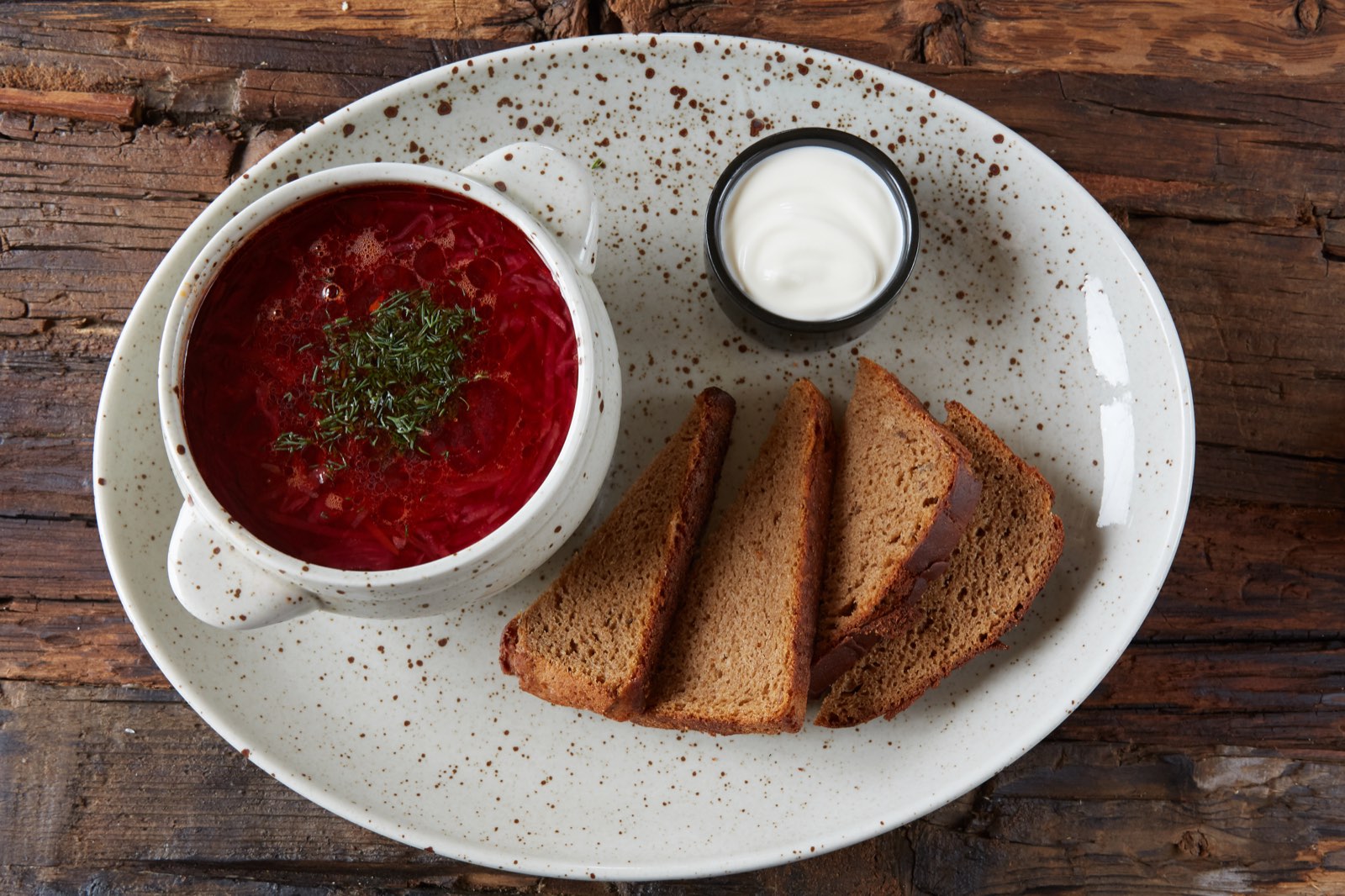
A plate of skewers pairs well with the rest of the menu. Try a bowl of borscht ($15) on the side, Bulgarian stuffed peppers ($15) for a Balkan touch, or crepes ($15) for dessert. Bulochki ($10), soft buns filled with cabbage, farmer's cheese or cherries, are easy to share, and a cup of house-made kvass ($10), the classic tangy bread drink, is a perfect match for grilled meat. There are also soft drinks, samovar tea and vegetarian options. Food lines at a busy festival can grow long, so consider pre-ordering food online at slavicfoodfestival.com to skip the line and head straight for a seat.
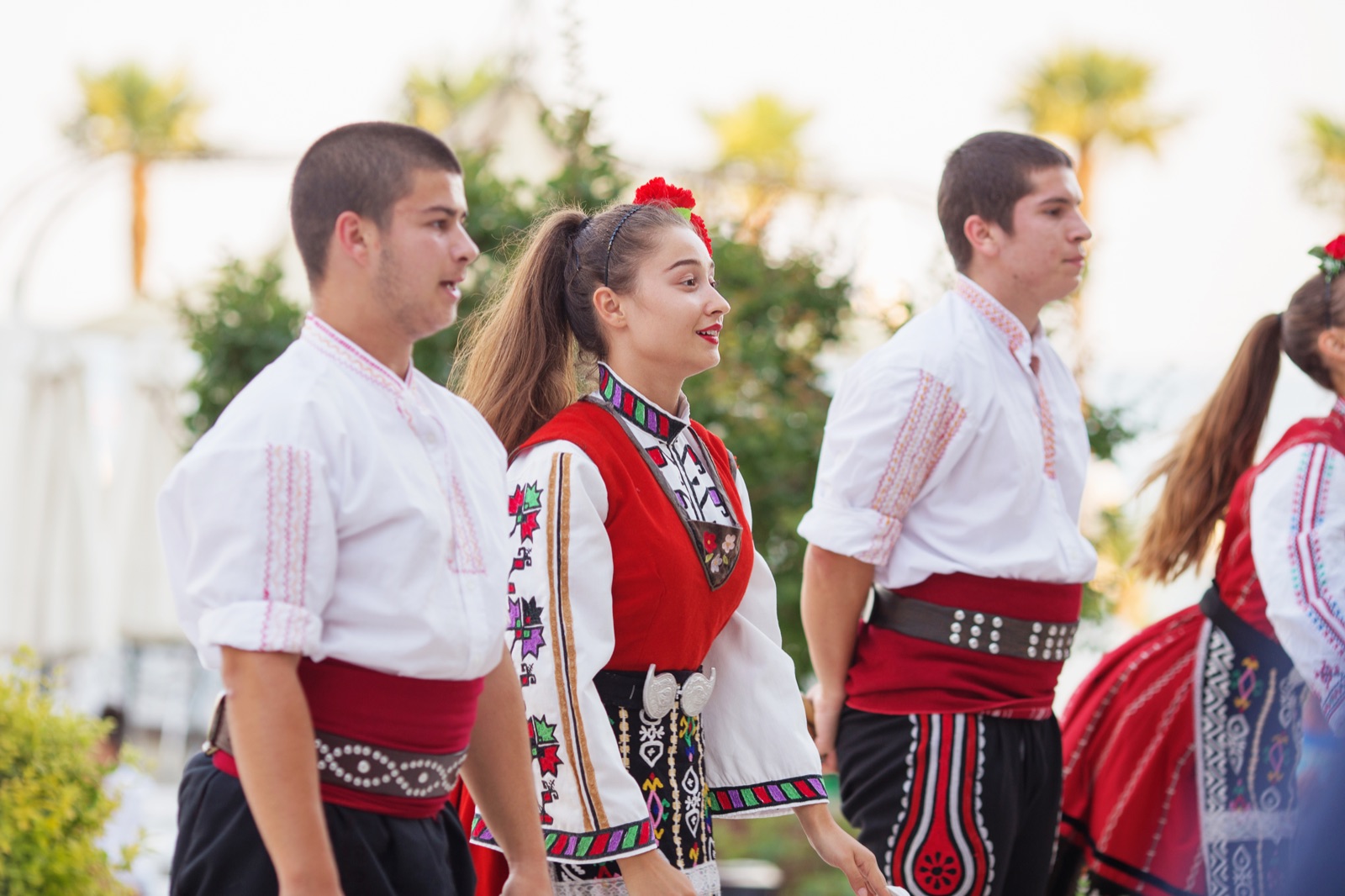
While you eat, enjoy the music on the main stage. The day opens at 10:00 with the Children's Program, featuring Elina Deyev, the Rodni Ritmi Dance Group and the Serbian Crown Folklore Group. The official opening is at 12:00, followed by the Russian Program from 12:30 to 2:30 with a children's chorus and folk ensemble. At 2:30, the National Czech & Slovak Museum & Library shares Czech and Slovak heritage. The Serbian & Bulgarian Program runs from 3:00 to 4:00, the Ukrainian Program with Dina Deyev from 4:30 to 5:30, and the Polish & Croatian Program with the International Folk Dance Group and the Florida Folk Dance Council from 5:30 to 6:30. Times may change while the program is finalized, so check the Schedule page.
Afterward, wander through the outdoor vendor market, or take the kids to the kids' zone for crafts and activities. And if you love cooking for a crowd, the festival kitchen can always use help: the Volunteer page lets you sign up for shifts, cooking or donations. Musicians and dancers who would like to perform can apply on the Artists page.
Gather round the fire
The Slavic Food & Cultural Festival Orlando, hosted by Saint Nina Mission and celebrated in Central Florida for more than ten years, takes place on Saturday, February 27, 2027, from 10 AM to 8 PM at Reiter Park, 311 W Warren Ave, Longwood, FL 32750, in Seminole County just north of Orlando. Admission is free for all ages, with no tickets, rain or shine. Food stands and most vendor booths accept cash and cards. Pets are not allowed, but service animals are welcome.
So follow the smoke. Bring your friends, your family and your appetite, find a spot on the lawn, and let the festival feel like the best kind of dacha weekend: good food from the fire, music in the air, children running around, and nowhere else you need to be.